
What Anaerobic Digestion Delivers!
Turning local farm resources into renewable energy, jobs, and better soil for the region
Why AD?
Five Key Benefits at a National Scale
Income
Rural Regeneration and Sustainable Livelihoods
Supports long-term rural regeneration by contributing to stable income opportunities and helping keep economic value within rural communities.

Energy
Energy That Supports Ireland
Contributes to national energy and climate goals by supplying renewable gas from Irish agricultural resources.
Soil
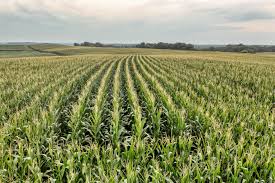
Better Use of Nutrients
Returns nutrients to land as treated organic fertiliser, improving efficiency in agriculture and helping reduce odour where it is used.
Water
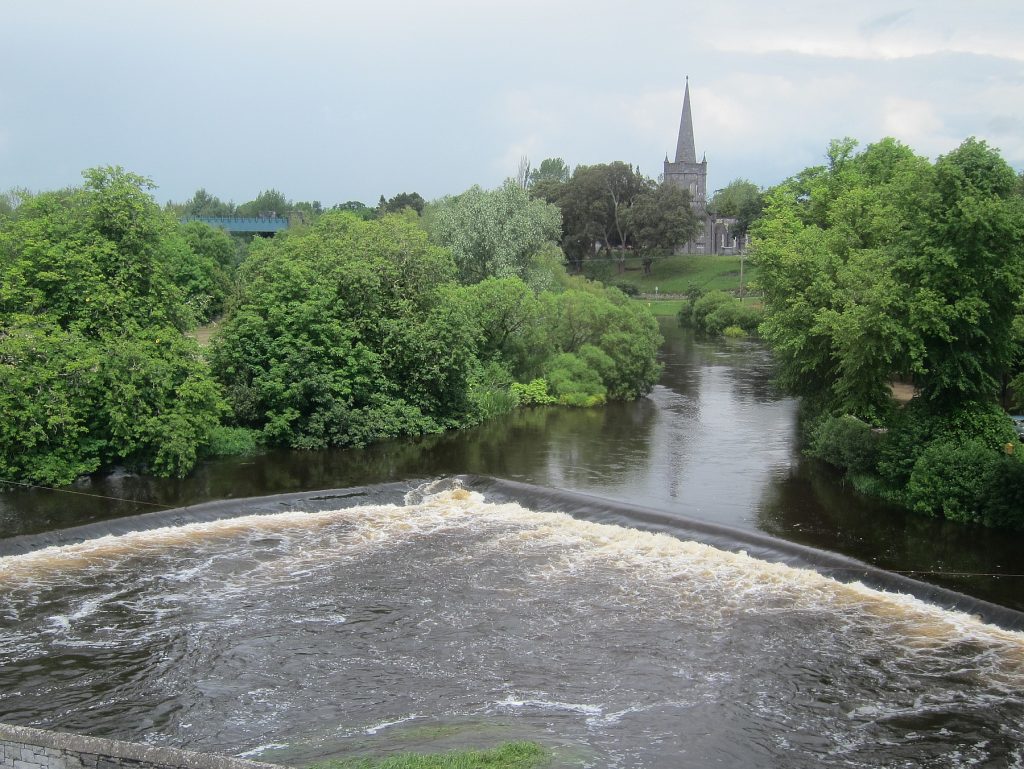
Protecting Rivers and Water Quality
Controlled processing helps reduce nutrient and nitrate losses to rivers and waterways, supporting cleaner water across Ireland.
Fertility
Reduced Need for Chemical Fertilisers
Reduces reliance on imported fertilisers by recycling nutrients within Ireland.

Process
How anaerobic digestion works at scale
Sourcing feedstock within 20km maximizes community benefits and minimizes environmental impacts
How it Works
Agricultural Anaerobic Digestion in Practice
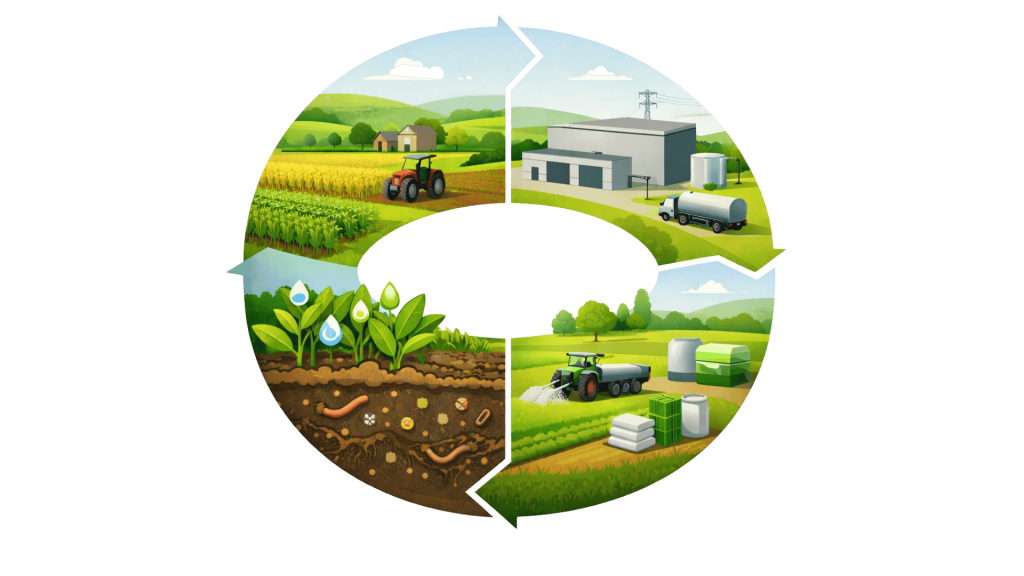
Agricultural anaerobic digestion uses farm-based materials such as agricultural residues to produce renewable energy and organic fertiliser through a controlled, enclosed process. While the energy produced at Killough will not be used by local households, it contributes to Ireland’s wider transition to cleaner energy and more sustainable agriculture.
Because the process operates continuously, it provides a reliable supply of renewable energy that supports industry, transport, and national infrastructure, reducing reliance on imported fossil fuels and strengthening energy security at a national level.
Alongside energy production, the system supports Irish agriculture by improving nutrient efficiency and reducing environmental pressures associated with conventional management practices. These outcomes contribute to Ireland’s climate, water quality, and land use objectives, with benefits realised nationally through improved resource efficiency and stronger rural sustainability.
Local Benefits of Anaerobic Digestion
What an AD plants means for the Local Environment
Roadstone gave people more time to send written comments and questions. The submission period was extended to 23rd August 2024 following a request from a local Councillor, ensuring everyone had a fair chance to be heard.
Roadstone extended the feedback deadline to 23rd August 2024at a local Councillor’s request, giving residents and stakeholders additional weeks to submit written comments and questions about the project.
Every submission helps shape how Killough develops andoperates in the community. Send your thoughts to Killough@climaticus.ie
Benefits
Wider Benefits
Beyond its technical operation, agricultural anaerobic digestion delivers a set of wider benefits that are supported by academic research and independent policy assessment. These include outcomes for rural regeneration, farming viability, environmental protection, and food system resilience, which are reflected in evidence from Ireland and across Europe.
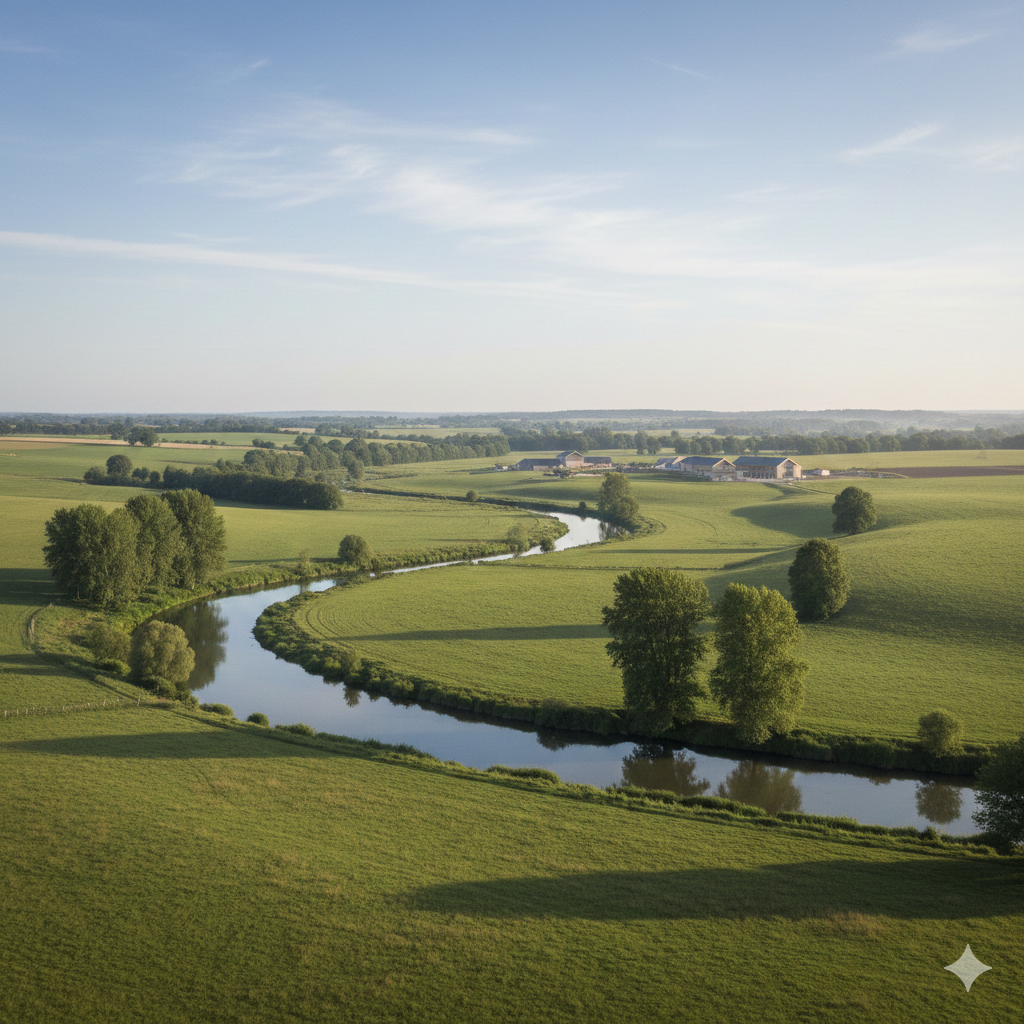
Long Term Rural Regeneration
Agricultural anaerobic digestion is intended to contribute to long-term rural regeneration by strengthening the role of agriculture within Ireland’s wider energy, climate, and environmental systems. Rather than focusing solely on local consumption, it enables rural areas to participate in delivering national benefits, including reduced emissions, improved resource efficiency, and greater energy resilience.
Food System Resilience
At the same time, the environmental outcomes extend beyond individual farms. Improved nutrient management, reduced environmental pressures, and more efficient use of resources contribute to national objectives for water quality, climate action, and sustainable land use. By supporting soil health, nutrient efficiency, and farm viability, agricultural anaerobic digestion also strengthens the resilience of Ireland’s food system. In this way, local involvement through agriculture underpins wider benefits that are realised at a national scale, including environmental protection and long-term food security.
Supporting Long-Term Farming Viability
For farming communities, this participation is designed to be ongoing rather than transactional. By supporting more predictable and sustained income opportunities linked to existing agricultural activity, the project helps reinforce the long-term viability of farming and related rural services. This supports continuity across generations and helps retain economic activity within rural areas.
National Contribution
Taken together, agricultural anaerobic digestion positions rural areas as active contributors to national climate, energy, and food system goals, supporting rural regeneration as a core outcome by linking local participation to wider public benefit while working alongside established farming practices.
Learn More
Educational Resources
The attachment available via the button to the right brings together a comprehensive set of supporting materials designed to provide transparency and context for the project. It includes clear educational resources explaining how agricultural anaerobic digestion operates as a controlled, sealed process, alongside relevant project documentation such as key chapters of the Environmental Impact Assessment Report (EIAR), non-technical summaries, and statutory assessments. To complement this, the attachment also links to independent, authoritative publications from recognised bodies including the FAO, IEA, IRENA, IPCC, European Commission, and European Environment Agency. These external sources provide wider evidence on renewable energy generation, climate action, nutrient management, water protection, air quality, rural development, and regulatory oversight, allowing readers to explore both the project-specific details and the broader national and international context in which the development sits.
Join Our Newsletter to Keep Up To Date With Us!

Turning local resources into secure low carbon energy and rural regeneration for Killough.